Welcome to the World of Restorative Dentistry
Imagine rediscovering a smile that feels as natural as it looks. Restorative dentistry is more than just repair—it’s the art of blending function with aesthetics to rejuvenate your overall oral health. In this guide, you'll uncover how advanced techniques can address issues like tooth decay, fractures, and wear, bringing back the confidence that comes with a radiant smile.
As you explore this how-to guide, you’ll learn about:
Modern restorative techniques: Understanding materials and methods that restore both strength and beauty.
Step-by-step processes: How treatments are tailored to individual needs, ensuring longevity and effectiveness.
Local care insights: Tips for maintaining oral health and maximizing your treatment outcomes in your community.
Whether you are seeking solutions for minor repairs or a comprehensive smile makeover, this section lays the foundation for understanding the critical role restorative dentistry plays in enhancing quality of life. Stay engaged as we delve into practical guidance and actionable tips, empowering you to make informed decisions about your oral health in your local area.
Crowns and Bridges: Restoring Function and Aesthetics
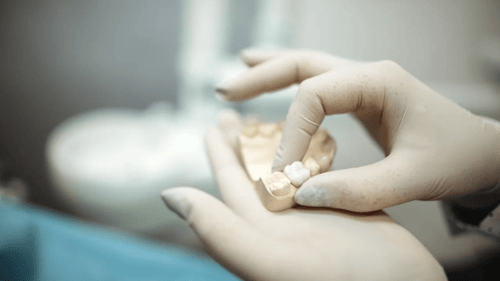
Crowns and bridges are essential components in restorative dentistry that help rebuild damaged smiles and restore proper function. A crown is a custom-made cap placed over a damaged tooth, providing strength, durability, and a natural appearance. It not only protects weak teeth but also improves aesthetics, making it a popular solution for chipped, decayed, or misshapen teeth.
A bridge, on the other hand, is designed to replace one or more missing teeth by anchoring to adjacent natural teeth. The process typically involves:
- Preparing the surrounding teeth for crowns
- Crafting a bridge that includes false teeth (pontics) attached to these crowns
- Ensuring a secure and natural-looking fit
Both crowns and bridges are fabricated using advanced dental materials for precision and longevity. In many local Texas dental offices, these restorations are performed using state-of-the-art technology to ensure optimal bite alignment and comfort. Embracing crowns and bridges can significantly enhance oral health, confidence, and overall quality of life by providing a lasting solution to common dental challenges. This practical guide provides a clear understanding and actionable insights on achieving a revitalized smile through dental restorations.
Top 5 Benefits of Crowns and Bridges
- Enhanced Functionality: Crowns and bridges restore the strength and stability of your natural teeth, enabling you to chew comfortably and speak clearly. This increased functionality helps maintain overall oral health and prevents further deterioration.
- Superior Aesthetic Appeal: Modern materials used in restorative dentistry are designed to closely mimic the color and shape of natural teeth. This ensures a seamless blend with your smile, boosting your self-confidence and giving you a vibrant look.
- Improved Durability: The advanced ceramics and porcelain materials used are highly resistant to wear and tear. This durability means that these restorations often last for many years with proper care, making them a cost-effective investment in your dental health.
- Customizable Fit: Each crown or bridge is tailored to fit precisely, ensuring both comfort and optimal performance. Customization plays a crucial role in mimicking natural tooth structure and function.
- Localized Oral Health Solutions: In many areas, including local Texas communities, crowns and bridges offer a reliable solution to common dental issues, addressing both aesthetic concerns and functional deficits effectively.
Mastering Your Smile Restoration Journey
Taking charge of your restorative dentistry means understanding the step-by-step process of obtaining crowns and bridges to rebuild your smile. This guide outlines each phase, making the procedure straightforward and approachable.
- Initial Consultation: Begin with a detailed consultation where your dental history and aesthetic goals are assessed. Your dentist will review X-rays and other diagnostic tools to determine if crowns or bridges are right for you.
- Treatment Planning: Next, a personalized treatment plan is developed. This includes precise impressions of your teeth, ensuring any restorations blend seamlessly. It’s essential to discuss materials and design options to suit your lifestyle and local preferences.
- Preparation and Impression: The affected tooth or teeth are carefully prepped by removing decay and shaping them to support a crown or bridge. Detailed impressions are then taken, which serve as blueprints for your new restoration.
- Fitting and Final Adjustments: Once the crown or bridge is fabricated in a modern dental lab, your dentist will fit it to ensure comfort, function, and appearance. Final adjustments are made to perfect your bite and overall aesthetic.
Following these actionable steps helps ensure a smooth, successful transformation for your smile.
Frequently Asked Questions on Crowns and Bridges
What are dental crowns and bridges, and how do they restore your smile?
Crowns are caps placed over damaged or decayed teeth to restore strength, shape, and appearance, while bridges replace one or more missing teeth by anchoring to adjacent natural teeth. This restorative approach helps maintain proper chewing function and improves overall aesthetics.
How long do crowns and bridges typically last?
With proper care, crowns can last a decade or longer and bridges may remain effective for many years. Regular dental evaluations and good hygiene practices are key factors in extending their lifespan.
What maintenance tips ensure longevity of these restorations?
• Maintain daily brushing and flossing routines
• Avoid chewing on hard foods
• Attend regular dental checkups
Following these simple steps can prolong the durability of your investment.
Are there any dietary restrictions after receiving a crown or bridge?
Patients should consider limiting extremely hard or sticky foods that may compromise the restorations and lead to damage.
What signs indicate that it’s time to revisit your dentist?
Any discomfort, loosening, or unusual wear may warrant a timely professional assessment to prevent further issues.
As you reach the conclusion of your restorative dentistry guide, consider the transformative impact that modern dental restoration can have on your quality of life. This approach not only repairs damaged teeth but also rebuilds your confidence, ensuring that every smile shines with vitality and strength. Reflect on these critical benefits:
- Enhanced Functionality: Restorative procedures restore proper bite and chewing capabilities.
- Aesthetic Improvement: Your smile is rejuvenated with natural-looking materials that blend seamlessly.
- Long-term Oral Health: Preventative follow-ups help maintain both the integrity of restorations and overall dental health.
Key actions to consider include discussing personalized treatment options with dental professionals and scheduling a thorough evaluation to design a tailored restorative plan. Engaging in open communication about your dental concerns will empower you with practical solutions and informed choices. This guide consolidates essential insights to help you make decisions about your dental care confidently. Remember, every step you take in restoring your smile is a step toward renewed self-assurance. Begin your journey today and envision a brighter, healthier future with restorative dentistry.